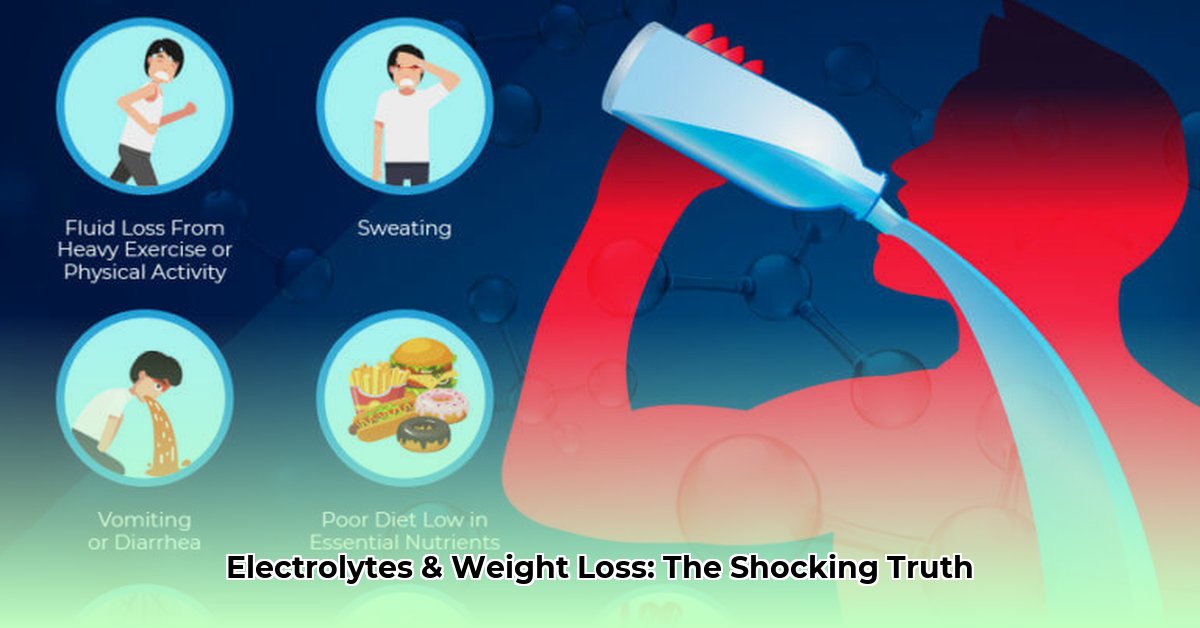
What are Electrolytes and Why Are They Important?
Electrolytes are minerals that carry an electric charge and are essential for numerous bodily functions. Think of them as the tiny electrical sparks that keep your body's systems running smoothly. The key players include sodium, potassium, magnesium, calcium, and chloride. These aren't just abstract chemicals; they're crucial for:
- Hydration: Electrolytes help your body absorb and retain water, preventing dehydration. They act like tiny magnets, drawing water into your cells.
- Muscle Function: They're vital for muscle contractions, enabling everything from breathing to digestion to exercise.
- Nerve Signaling: They facilitate the transmission of nerve impulses, allowing communication between your brain and the rest of your body.
- Metabolic Processes: Many of the chemical reactions that create energy (your metabolism) rely on balanced electrolytes.
Without sufficient electrolytes, you might experience fatigue, muscle cramps, weakness, and other health problems. Maintaining a proper balance is key to optimal health and energy levels. A deficiency can significantly impact your wellbeing.
Electrolytes and Weight Management: The Truth
The question on many minds is: Do electrolytes directly contribute to weight loss? The short answer is no. There's no scientific evidence suggesting that taking electrolyte supplements will magically melt away fat. However, maintaining proper electrolyte balance can indirectly support healthy weight management strategies.
How? Primarily through:
- Enhanced Hydration: Proper hydration is critical for feeling full and energized. Electrolyte imbalances often lead to dehydration, which can slow metabolism and increase hunger, hindering weight loss efforts.
- Improved Metabolic Function: Electrolytes are essential for various metabolic processes. A balanced electrolyte profile can optimize metabolic efficiency, potentially aiding your weight management goals.
Many claims about electrolyte supplements leading to direct weight loss are unsubstantiated. Focus on a comprehensive approach to weight management rather than relying on supplements alone. The key is a holistic approach.
Electrolyte Sources and Supplementation
The best way to obtain electrolytes is through a balanced diet rich in whole foods. Many nutrient-dense foods naturally contain various electrolytes:
| Electrolyte | Excellent Sources |
|---|---|
| Sodium | Celery, beets (use table salt sparingly) |
| Potassium | Bananas, sweet potatoes, spinach, avocados, beans |
| Magnesium | Dark leafy greens, almonds, pumpkin seeds, brown rice |
| Calcium | Dairy products (yogurt, cheese), leafy greens, sardines |
| Chloride | Olives, seaweed (use table salt sparingly) |
However, intense exercise, certain medical conditions, or significant sweating can lead to electrolyte depletion. In such cases, supplementation might be necessary. When choosing supplements, prioritize electrolyte waters over sugary sports drinks. Sugary sports drinks often contain excessive calories and added sugars that can work against weight loss goals. Always choose low-sugar or sugar-free options.
Caution and Considerations
While essential, excessive electrolyte intake can be harmful. Imbalances can cause nausea, vomiting, muscle weakness, heart rhythm problems, and exacerbate kidney issues. Individuals with kidney disease or those taking certain medications should exercise extra caution and consult their doctor before using electrolyte supplements. Overconsumption can be particularly risky for certain populations.
Conclusion: A Balanced Approach
Electrolytes are vital for overall health, but they are not a miracle weight-loss solution. Maintaining proper electrolyte balance indirectly supports weight management through better hydration and metabolic function. Prioritize a balanced diet rich in whole foods and sufficient hydration. Consult your healthcare provider before starting any electrolyte supplementation to ensure safe and effective use. Remember, sustainable weight management requires a holistic approach, not quick fixes. A comprehensive and balanced approach is crucial for lasting health and well-being.